









19-November-2026
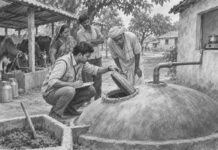
The Union government has launched a ten-year GOBARdhan framework to expand compressed biogas, with an approved outlay of ₹23,731 crore. Dairy clusters are an obvious place to examine the opportunity because cattle manure is already available there. The question for cooperative boards is whether collecting and processing it creates dependable value for participating villages after the plant opens.
A promising plant depends on a regular supply of usable material. The cost of collection can rise with distance, suppliers may have competing uses for dung and demand for the material left after digestion may be uncertain. A project that budgets for equipment and overlooks these operating conditions can leave a cooperative with a facility that operates well below capacity.
Cooperatives should start with an independent assessment of collection costs and current uses of manure. Before approving a large plant, secure clear payment terms with suppliers and identify dependable customers for the gas and the remaining material. A smaller pilot can show whether the collection route and storage arrangements work through a full season.
NDDB and state dairy federations should publish operating comparisons covering plant utilisation, farmer payments and the share of residual material put to productive use. Dairy boards can then judge where expansion is economically credible and where a smaller village-level project would better serve the community.